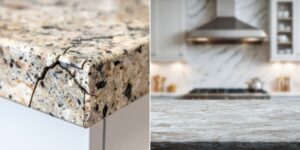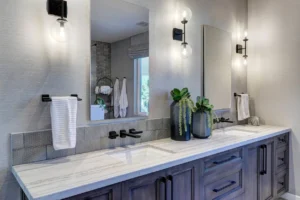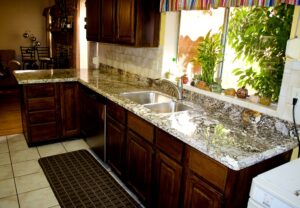
Granite offers immediate visual appeal, daily functionality, and strong long-term value. For Arizona homeowners, it remains one of the most rewarding renovation choices, especially given the Phoenix Metro’s active real estate market. Whether upgrading a kitchen, renovating a master bathroom, or adding a durable outdoor surface, understanding the granite installation process in Arizona helps you make informed decisions, select the right fabricator, and achieve superior results.
This guide covers everything Arizona homeowners need to know about granite installation upgrades – from selecting the right slab and understanding the fabrication process to caring for your investment in the desert environment and recognizing what separates a skilled team granite installation in Arizona from one that simply shows up with tools.
Why Granite Remains the Premier Choice for Arizona Home Upgrades
Arizona’s distinctive living environment makes granite well-suited to the demands local homeowners place on their surfaces. Arizona kitchens run hot, receive intense natural light, and endure frequent, high-volume use that softer or less durable materials cannot sustain. Granite installation delivers a surface formed under extraordinary geological pressure and heat, making it inherently equipped to handle conditions that would damage lesser materials within months.
Why granite outperforms alternatives in Arizona’s environment:
- Heat resistance allows pots, pans, and baking sheets to be placed directly on the surface without scorching, cracking, or warping. This is particularly valuable in Arizona kitchens where ambient surface temperatures already run high before cooking begins.
- Scratch resistance from one of the hardest natural stones available keeps the surface pristine through years of cutting, chopping, and daily contact with cookware, utensils, and appliances.
- UV stability means granite does not fade, yellow, or degrade under Arizona’s intense and prolonged sun exposure like some manufactured surfaces do near windows or in sunny kitchens.
- Stain resistance when properly sealed prevents the mineral-rich liquids common in Arizona cooking from penetrating and permanently marking the stone surface.
- Outdoor suitability makes granite a viable choice for Arizona outdoor kitchen installations, pool surrounds, and covered patio surfaces that other countertop materials cannot withstand year-round in the desert climate.
Current granite installation trends in Arizona lean toward lighter palettes with flowing movement and soft veining – warm whites, creamy beiges, and soft grays that complement Arizona’s adobe and desert modern design aesthetics. Classic dark options like Nero Mist and Black Galaxy remain popular for dramatic contrast against lighter cabinetry. Earthy tones with subtle mineral variation connect naturally to the Sonoran Desert landscape that defines much of the Valley’s residential design identity.
⚡ Arizona Asks More of Your Surfaces – Granite Delivers
Heat, UV exposure, hard water, and high-frequency daily use create conditions that reveal the limitations of lesser countertop materials within years. Granite’s geological origins make it well-suited to these conditions. For Arizona homeowners, it is not just an aesthetic choice but a functionally sound one.
The Granite Installation Process: What Arizona Homeowners Should Expect
Understanding the end-to-end granite installation process in Arizona removes uncertainty, sets accurate expectations, and helps homeowners evaluate whether a fabricator operates with the precision the project deserves. A professional granite installation is not a single-day event but a multi-stage process where each step builds on the previous one.
Step 1: Slab Selection at the Yard or Showroom
The process begins with slab selection, a step that deserves more time and attention than most homeowners budget for. Granite is a natural stone, so no two slabs are identical. Colors, veining patterns, mineral inclusions, and overall character can differ significantly from photographs or sample chips. Phoenix granite countertop upgrades benefit greatly from in-person slab selection at a supplier yard or showroom.
When selecting a slab, consider:
- The finish type – polished for a reflective, formal look; honed for a matte, softer appearance; leathered for a textured, rustic feel that hides fingerprints well in busy Arizona kitchens
- The movement of the veining and whether it complements or competes with cabinet door patterns and flooring grain direction
- The background color under Arizona’s specific natural light reads very differently from showroom fluorescent lighting.
- Whether you want a slab with a uniform, consistent appearance or one with dramatic character variation, both are valid aesthetic choices that suit different kitchen personalities.
- Book-matching potential for large kitchen islands where two mirror-image slab cuts can create a dramatic, symmetrical centerpiece
Step 2: Template and Measurement
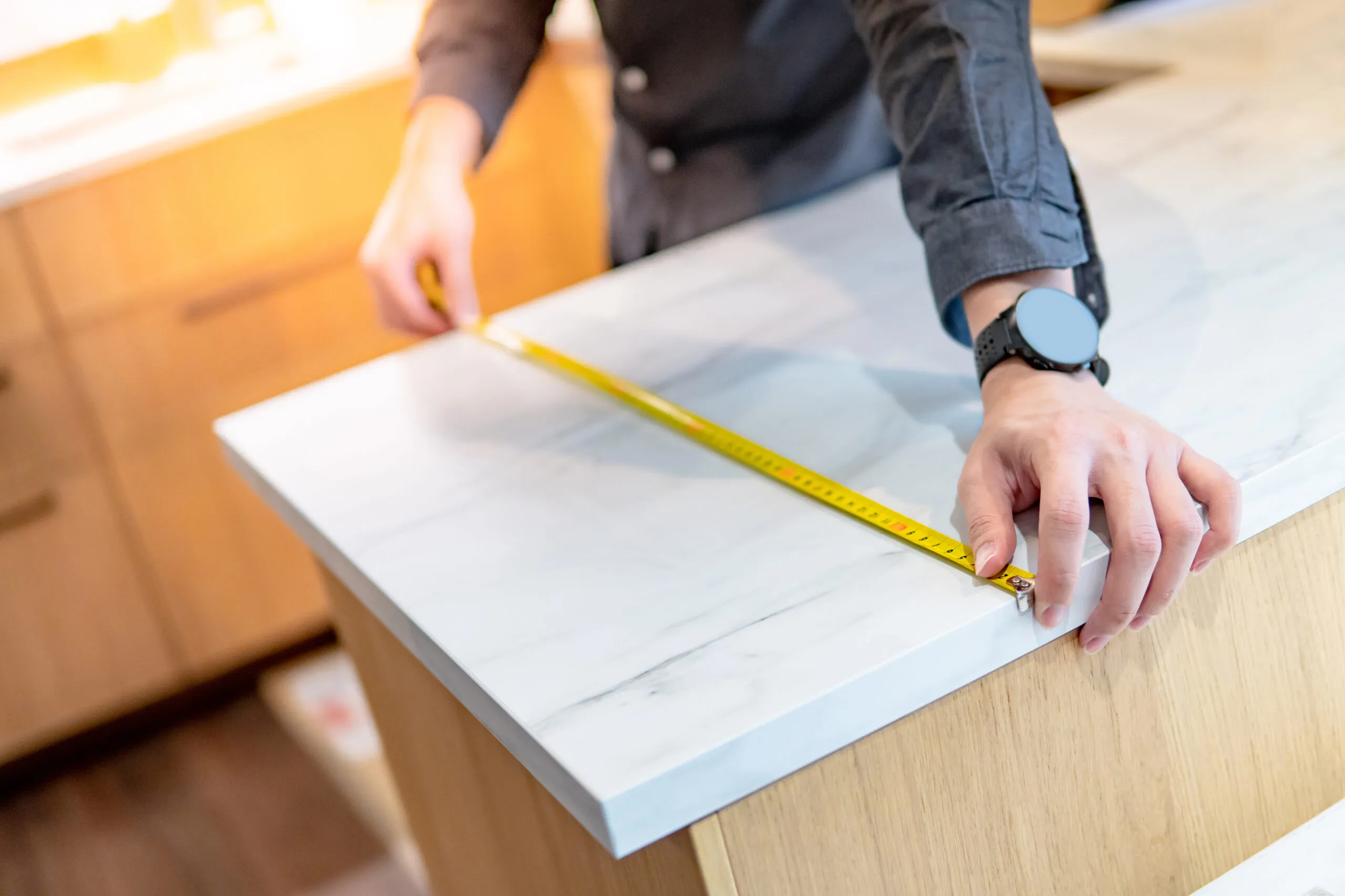
Once the slab is selected and the project scope confirmed, a skilled Arizona granite installation team conducts a precise templating visit at the home. A digital template uses laser measurement technology to capture exact countertop dimensions, including sink cutouts, cooktop openings, corner radii, and any custom shaping. This precision is essential because granite is unforgiving; measurement errors lead to unusable slabs and costly remakes.
The templating visit also determines:
- Seam placement for large countertop runs where a single slab cannot span the full length. Experienced fabricators place seams at locations where they are least visible and structurally supported.
- Edge profile selection where the countertop edge meets the eye – eased, beveled, bullnose, ogee, waterfall, and mitered options each create a significantly different finished aesthetic
- Overhang specifications for breakfast bars, islands, and peninsulas where the countertop extends beyond the cabinet below
Step 3: Fabrication
Fabrication is where the raw slab becomes a precision-cut countertop. The digital template drives CNC (Computer Numerical Control) waterjet cutting equipment that makes exact cuts through the granite with a tolerance measured in fractions of a millimeter. Edge profiles are shaped and polished to the specified finish. Sink and cooktop cutouts are made and refined. The fabrication stage typically takes one to two weeks, depending on the complexity of the project and the shop’s production schedule.
The quality of fabrication is one of the most important differentiators among granite installation providers in Arizona. Poorly calibrated cutting equipment, rushed grinding, or inadequate polishing of edges and cutouts are all visible in the finished installation and cannot be corrected without remaking the affected pieces.
Step 4: Installation Day
On-site installation for a standard kitchen project typically takes four to eight hours. The team removes existing countertops and prepares the cabinet substrate. New granite sections are set, leveled, and secured with epoxy adhesive and silicone. Seams are filled, aligned, and polished to match the surface. Sink undermounts are secured. The team verifies every edge, seam, and cutout meets the templated specifications before leaving.
What separates a professional Arizona granite installation from an amateur one is visible in seam quality, edge polish consistency, cutout precision, and surface flatness. These details are the fabricator’s signature and what the homeowner lives with for the next twenty years.
Step 5: Sealing
The final step before the kitchen or bathroom returns to full use is sealing. Granite is a porous natural stone, and a high-quality penetrating impregnator sealer fills microscopic pores, preventing liquids, oils, and food pigments from staining. In Arizona, where hard water with high mineral content is common, sealing is especially important to prevent mineral deposit buildup that appears as white clouding on unsealed or poorly sealed surfaces.
Most Arizona granite installations should be resealed every nine to twelve months, depending on the stone and usage. A simple water bead test—placing a tablespoon of water on the surface and seeing if it beads or soaks in within minutes—indicates whether the sealant is still effective or needs renewal.
⚡ Every Step in the Process Shapes the Final Result
Slab selection, precision templating, CNC fabrication, professional installation, and quality sealing are all non-negotiable components of a granite installation upgrades that perform and looks as it should. Cutting corners at any stage produces visible flaws that cannot be easily fixed without starting over.
Where to Upgrade: Room-by-Room Granite Installation Guide for Arizona Homes
Granite installation in Arizona projects is most commonly associated with kitchen countertops, but the material’s durability, heat resistance, and natural beauty make it an excellent upgrade candidate across multiple areas of the Arizona home.
Kitchen Countertops
The kitchen is where granite installation delivers its most dramatic transformation. A full kitchen upgrade, including perimeter countertops and an island, creates a cohesive surface that elevates every visual element—cabinetry, backsplash, flooring, and appliances all benefit from granite’s natural focal point. For Arizona kitchens with outdoor access or open-plan designs connecting to pool and patio areas, selecting a granite tone that bridges indoor and outdoor palettes creates a unified design flow throughout the entertaining space.
Bathroom Countertops and Vanities
Bathroom vanity surfaces in Arizona face challenges, including hard-water mineral deposits, daily moisture exposure, and the desired demands for a luxurious, retreat-like space. Granite handles these demands well. A Phoenix granite countertop upgrade in the master bath, with an undermount sink and waterfall edge profile, transforms the functional daily-use space into a spa-like environment that adds measurable appeal to the home’s resale value.
Outdoor Kitchens and Entertainment Surfaces
Arizona’s year-round outdoor living culture keeps granite installation in Arizona teams in demand for outdoor kitchen installations. Properly sealed granite performs well in covered outdoor kitchens—it handles the heat of built-in grills, resists UV and temperature cycling, and brings the same elevated aesthetic outdoors as indoors. For fully exposed outdoor installations without shade, consult your fabricator about surface finish and sealing frequency to ensure long-term performance.
Fireplace Surrounds and Specialty Surfaces
Granite’s heat resistance and visual appeal make it excellent for fireplace surrounds, wet bar tops, laundry counters, and home office desks. These specialty Arizona granite installation upgrades applications are often overlooked during renovation planning, but deliver significant visual and functional value with modest material needs.
⚡ Granite Is Not Just for Kitchens
Bathroom vanities, outdoor kitchen surfaces, fireplace surrounds, and specialty rooms all benefit from granite’s durability and natural beauty. Arizona homeowners who plan for granite across multiple spaces during a single project often achieve better slab continuity and more favorable material pricing than those who approach each room as a separate project.
Caring for Granite in Arizona’s Desert Environment
Arizona’s environment creates care considerations that generic granite maintenance guides do not fully address. Properly cared-for granite in Arizona maintain beauty and performance for decades. Neglected ones show wear that is difficult and expensive to reverse.
Arizona-specific granite care practices:
- Reseal annually using a penetrating impregnator sealer suited to your granite’s porosity. Arizona’s hard water and high UV intensity make annual resealing more important here than in moderate climates.
- Use pH-neutral stone cleaners instead of acidic or alkaline household products that strip sealant and etch the stone over time. Citrus-based cleaners, bleach, and vinegar damage sealed granite surfaces.
- Address hard water deposits promptly with products formulated for mineral removal from natural stone. Letting calcium and magnesium deposits build and harden makes removal much harder.
- Dry surfaces after water exposure, especially around sinks where standing water accelerates mineral deposits in Arizona’s hard water environment.
- Avoid placing extremely cold items from the freezer directly onto a hot granite surface near the oven or cooktop, since rapid thermal differential, though rarely damaging, is worth avoiding for long-term surface preservation.
- Use trivets and cutting boards, not because granite cannot handle the heat or the knife, but because the cast iron or ceramic base of cookware can scratch the polished surface finish over time with repeated direct contact.
⚡ Arizona Is Harder on Granite Care Than Most Climates
Hard water, intense UV, and high ambient temperatures make annual resealing, pH-neutral cleaning products, and prompt mineral deposit treatment more important in Arizona than anywhere else in the country. The homeowners who follow these practices consistently are the ones whose granite looks as good in year fifteen as it did on installation day.
Frequently Asked Questions About Granite Installation in Arizona
How long does a granite installation take in Arizona?
The on-site installation for a standard kitchen project typically takes four to eight hours. However, the full process from initial consultation and slab selection through templating, fabrication, and installation usually takes two to four weeks. Fabrication accounts for most of that timeline, as precision CNC cutting and edge polishing cannot be rushed without compromising quality. Planning for a two-to-three-week kitchen downtime is a realistic expectation for most granite installation Arizona projects.
How do I choose the right granite for my Arizona kitchen?
Start with the elements that are already fixed in your kitchen – cabinet color, flooring material, and the direction of natural light entering the space. Bring samples or photographs of these elements to the slab yard so you can evaluate granite options in context rather than in isolation. Consider the finish type – polished, honed, or leathered – and how each interacts with Arizona’s intense natural light. Current trends favor lighter, earthy palettes with soft veining, but the most enduring choice is always the one that complements your specific space rather than following a trend.
Do I need to seal granite after installation in Arizona?
Yes, and in Arizona, annual resealing is the recommended minimum. The high mineral content of Arizona’s water supply accelerates the breakdown of standard sealants, particularly around sink areas where water contact is frequent. A penetrating impregnator sealer applied annually and immediately after any deep cleaning that uses strong cleaning agents keeps the stone protected and looking its best. Your fabricator should apply the initial sealer as part of the installation process.
Can granite be installed outdoors in Arizona?
Yes, in covered or partially shaded outdoor kitchen environments, properly sealed granite performs excellently. It handles the heat of built-in grills, resists UV and temperature cycling, and delivers the same elevated aesthetic outdoors as indoors. For fully exposed outdoor installations without shade, discuss surface finish options and sealing frequency with your fabricator. Honed or leathered finishes tend to show less UV aging than polished surfaces in fully exposed Arizona outdoor applications.
Conclusion
Granite installation in Arizona projects delivers a combination of natural beauty, functional durability, and long-term financial return that few other home upgrades can match. From slab selection and precision templating through CNC fabrication, professional installation, and annual resealing in Arizona’s demanding desert climate, every step of the process shapes the result that homeowners live with for decades. Choosing experienced granite installers in Arizona who own their fabrication equipment, perform digital templating, and stand behind their workmanship is the single most important decision in any granite upgrade project. The material is extraordinary. The installation team determines whether the finished result reflects that.
Granite Dude: Arizona’s Trusted Granite Installation Specialists
At Granite Dude, we bring decades of hands-on granite fabrication and installation experience to Arizona homeowners across the Valley. From initial slab selection and precision digital templating to CNC fabrication, expert installation, and post-installation care guidance, our team delivers granite installation upgrades for Arizona homeowners to trust for kitchens, bathrooms, outdoor surfaces, and specialty rooms throughout the Phoenix Metro. We know Arizona’s design preferences, its climate demands, and exactly what a phoenix granite countertop upgrade should look and feel like when it is done right.
Granite Dude
Schedule Your Free Granite Installation Consultation Today
Contact us to visit our slab selection process, get a detailed quote, and let our experienced team bring the natural beauty of granite into your Arizona home.